A pack that feels reasonable at home can become a liability after hours on uneven ground. Spare clothing may be buried beneath unnecessary tools, the water plan may depend on a dry source, or a permit rule may have changed since the last trip. A useful gear audit is less about buying newer equipment than confirming that each item suits the route, weather, activity and legal conditions. The result is a safer, lighter outing with fewer decisions made under fatigue.
Start with the day you are actually planning
Build the kit around the trip, not an idealized version of yourself. A vehicle-accessible walk, a long backcountry approach and a wet-weather sit require different levels of redundancy. Consider the route, time away, forecast, terrain, access points and possibility of delay.
Separate essentials from conveniences. Navigation, suitable clothing, water, food, communication, first aid and legally required equipment come first. A second knife, oversized shelter or duplicate gadget earns its place only if it solves a realistic problem better than a lighter option.
Weight is not the only measure. An item that is compact but difficult to use with cold hands, poor light or gloves may be worse than a slightly heavier, more reliable design. Ask whether you will use it correctly when conditions are unpleasant.
Check the gear before it reaches the pack
Inspect anything that could turn a minor inconvenience into a serious problem. Look for damaged straps, frayed cord, cracked buckles, leaking containers, weak batteries and worn footwear tread. Test zippers and closures rather than assuming they will work because they did last season.
Pack layers that can adjust as effort and weather change, and keep insulation or rain protection accessible. Cotton can become uncomfortable when wet, but material choice should reflect the climate, activity and drying opportunities rather than a blanket rule.
Before departure, confirm:
– Route, access and return plan
– Current forecast and daylight conditions
– Water, food and backup treatment method
– Tested navigation and communication tools
– Inspected, reachable first-aid supplies
– Clothing suited to rain, cold, heat and wind
– Footwear, straps, batteries and closures
– Required licenses, permits and equipment
– Waste, sanitation and land-care supplies
– A trusted person knows the general plan
A checklist supports judgment; it does not replace it. If the forecast changes, the route becomes more demanding or someone is tired, revise the plan instead of forcing the original version.
Choose lightweight outdoor gear by consequence
Lightweight outdoor gear makes sense when it reduces fatigue without removing a meaningful safety margin. On a maintained route near reliable access, compact shelter, streamlined cooking equipment and a smaller clothing system may be reasonable. A remote trip with uncertain weather calls for more patience: saving a little weight is rarely worth losing warmth, visibility or communication capacity.
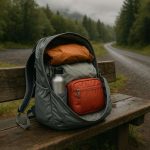
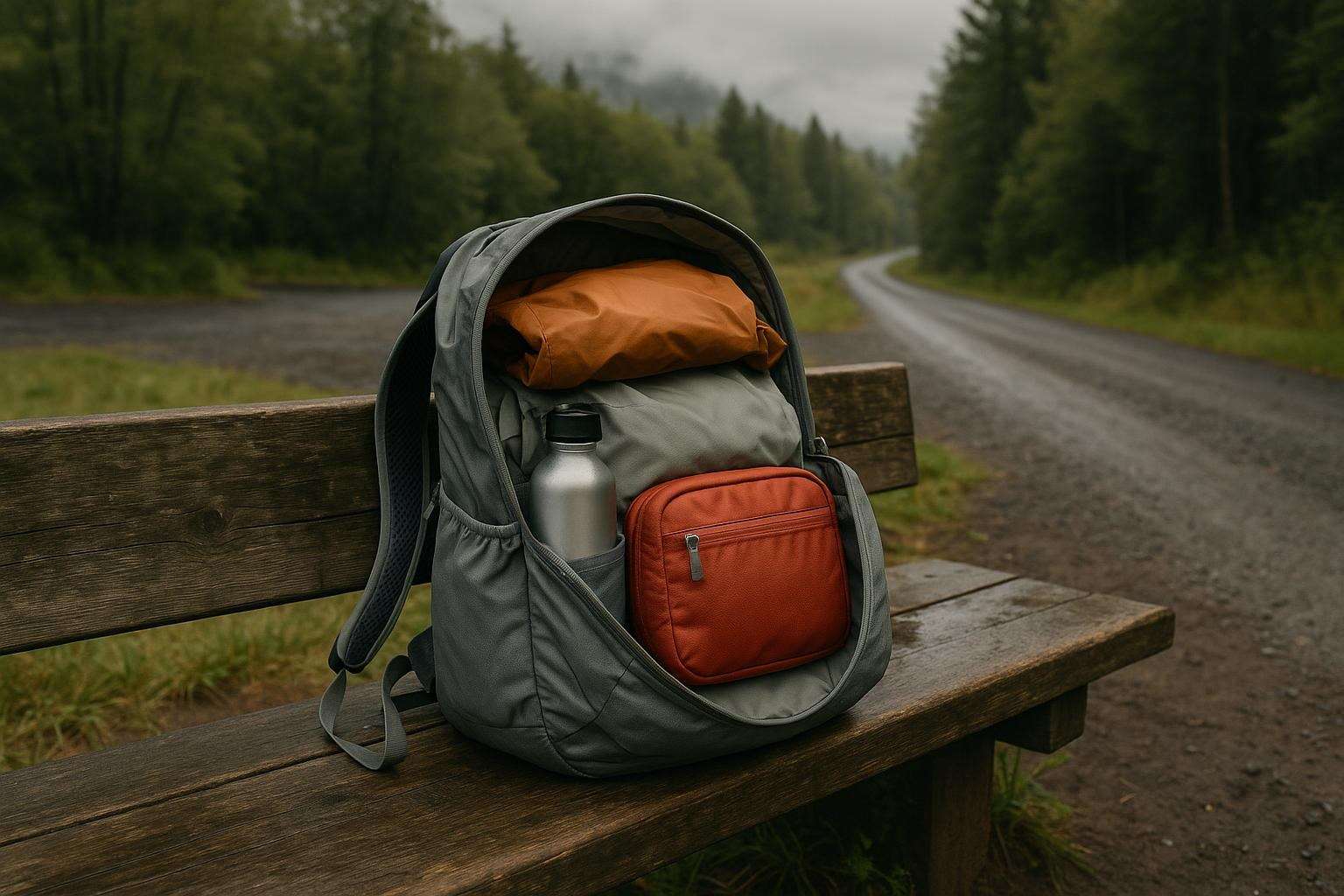
Consider frequency of use, durability and repairability. Equipment that is simple to repair may be better for frequent users, while a fragile, specialized item is harder to justify if it spends most of the year stored. Pack by access, too. Keep emergency items, navigation, rain protection and water where they can be reached without emptying the bag. A tool that stays buried is not functioning as part of the system.
Make hunting choices that support ethical recreation
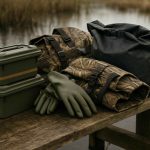
For hunting trips, confirm that your equipment, transport method and planned activity match the season, property rules and local requirements. Know identification standards, respect boundaries and do not take a shot or pursue an opportunity when conditions do not support a responsible outcome.
Equipment should support clear judgment, not encourage haste. Check optics or other sighting equipment for secure mounting and proper function, but do not treat gear as a substitute for practice, identification and restraint. Carry only what you can manage safely, and secure potentially hazardous equipment during transport according to applicable rules.
Meat care belongs in the audit. Consider how you will keep harvested game clean, cool and legally transported given the distance, temperature and available time. If the plan depends on perfect conditions, it needs more margin.
Leave room for conservation and land care
Follow closures, use durable surfaces where required and choose routes and access methods that reduce disturbance. Avoid sensitive vegetation and areas closed for nesting, restoration, fire risk or habitat protection.
Carry a small waste kit even when little rubbish is expected. Remove food scraps, packaging and used materials, and handle human waste according to the land manager's guidance. Line, plastic fragments and treated materials can persist or create hazards for wildlife. Respecting habitat protects future access and keeps recreational pressure from concentrating on vulnerable places.
Recheck regulations before departure
Rules can change between seasons and differ by state, province, land manager or property. Confirm current requirements through the relevant official wildlife agency, land-management authority or property owner. Check licenses, dates, tagging or reporting obligations, restricted areas, vehicle access, fire rules and equipment limitations rather than relying on memory or an old printout.
This matters especially when crossing a boundary. A continuous-looking route may pass through land with different access conditions, and a familiar method may not be permitted everywhere. Keep required documents available in a protected format, while remembering that a phone battery or signal may fail.
The final audit is not a shopping list. Ask whether the plan is legal, safe, manageable and respectful of the place. Trim what adds little value, repair what cannot be trusted and postpone the trip when the margins are too thin. Better decisions begin with less confidence in old assumptions and more attention to the conditions in front of you.