Essential Ammunition Prep for Waterfowl Season
As the waterfowl season draws near it is very important to make sure that ammunition is ready and in shape. A small slip, such as forgetting a box of shells can cause problems when you are out hunting. The right shells for the area how well the shotgun can spread them. The way wet weather can affect extra shells all matter. Planning ahead can stop these problems from turning into choices on the field.
Know the Regulations
Before you head to the marsh learn the rules that apply to the place where you want to hunt. Those rules are not the same they change with species, season, hunting zone and the land authority. Many waterfowl hunts need non‑lead shots. The exact limits, exceptions and borders differ. Keep checking the regulations for your area and remember the dates, legal shooting hours and allowed shot types. It is an idea to keep a digital copy on your phone because cell service can be bad at your parking spot. After you buy ammunition take a moment to read this information again. Seeing words on a shell box does not replace a full understanding of the current rules.
Evaluate Your Ammunition Choices
Choosing the ammunition is about more than legality. It is also about making sure the load works with the shotgun and makes shooting better. Different kinds of shot whether lead or non‑lead behave differently depending on how they're loaded and what gun is used. A shell that fires smoothly can still give a pattern at the far end you plan to shoot. Before the hunt test ammunition in conditions that match the marsh with the barrel choke and sights you will use. Look for a even spread of pellets and avoid obvious gaps that could hurt accuracy. If patterns feel wrong change one thing at a time – maybe try another ammunition, a different choke or a new shooting distance. Do not assume that new ammunition will fit a shotgun. Read advice from gun and ammo makers and when unsure talk to a gunsmith.
Establish Ethical Shooting Boundaries
Hunting in areas makes it hard to gauge distance especially with wind, low light and tall reeds or moving water. To avoid rushed shots decide beforehand the range and angles you will shoot from. Making that decision when you see a target can lead to choices. The earlier pattern test should help set a limit. This is not about bragging; it is about recognizing your ability to fire a controlled shot and to act if needed. If a bird appears beyond that limit it is best to wait, showing respect for the hunt. Also have a plan to retrieve a bird for the water and bank conditions you will face. Depending on the terrain you might use a boat, waders within safety limits or trained retrievers. Do not put yourself in danger by trying to recover a bird that drifts away.
Protect Your Shells from Moisture
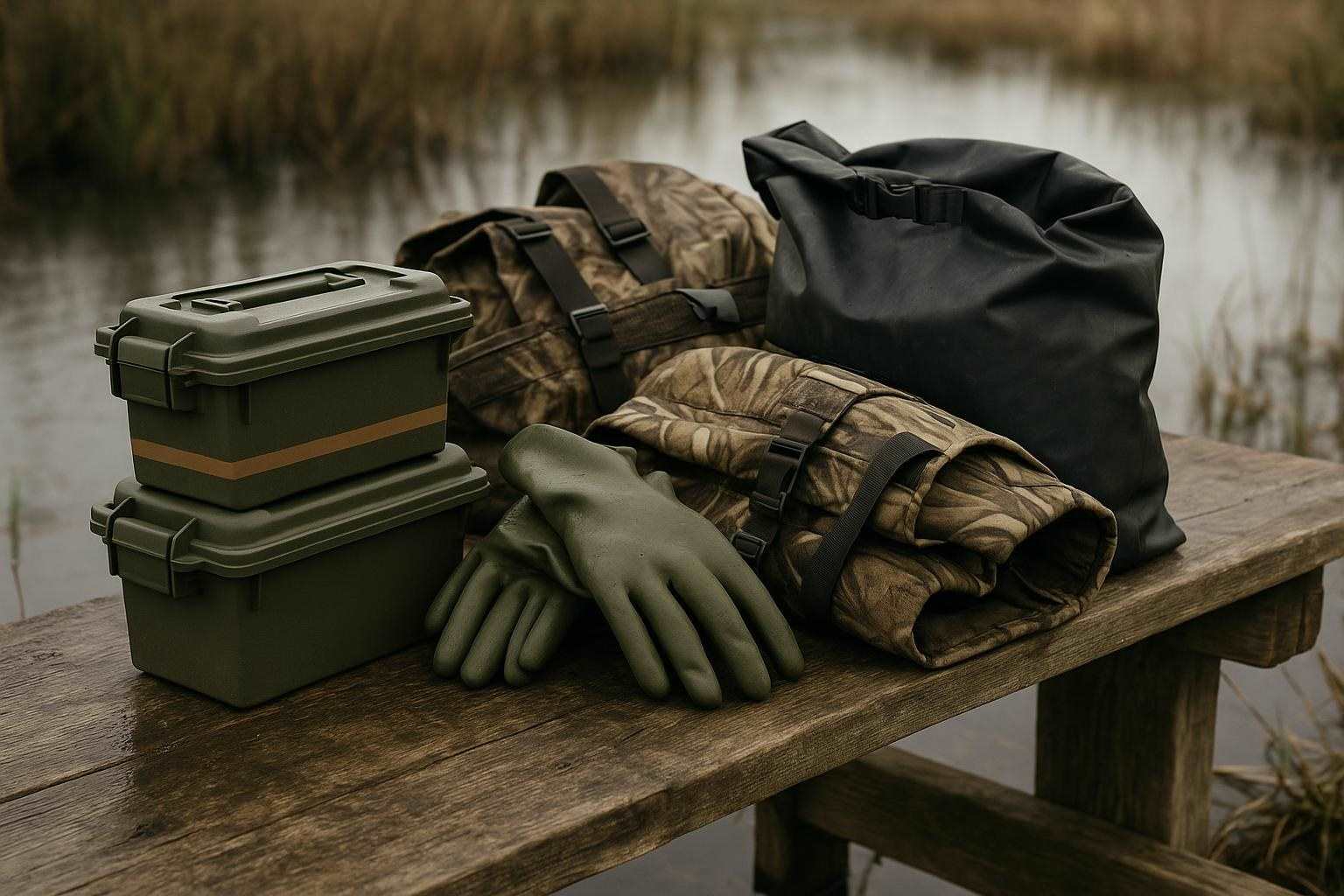
Wet weather can quickly expose any spot in your ammunition storage. A cardboard box can become loose shells can get mud. A water‑proof bag can lose its protection when opened near water. To fight this use a clearly labeled container that keeps shells dry while allowing quick inspection. Keep loads separate especially if you carry more than one type in the vehicle or blind. Before loading check every shell for damage, rust or contamination. If you find a round set it aside instead of trying to fix it on the spot. After the hunt dry wet gear in a place and follow the manufacturer's instructions for cleaning and storing the shotgun. Do not leave shells in the blind bag where they may be forgotten until the next trip.
Prioritize Conservation, in Your Gear Choices
Choosing ammunition that does not contain lead is more than following rules. That choice is key for protecting the environment. When such ammunition is used in wetlands it lowers the chance of polluting the habitat. It also lessens the risk that spent shells will stay in wildlife areas.
Pay attention to the details of your chosen ammunition. Make sure ammunition meets all regulations and works with your setup. In the end pick ammunition that's legal fits your shotgun patterns and works at reasonable distances.
Collect spent shells whenever you can. Do not walk into loose mud, deep water or thick plants for a round that could put you in danger. Taking care of the habitat means knowing when it is safe to retrieve shells and when it might create risks.
A Quick Departure Checklist
A short useful checklist before you load can stop last‑minute problems especially when the weather changes.
1. Confirm you understand the rules for the hunting area.
2. Double‑check the ammunition type and its markings.
3. Ensure the chosen loads match your shotgun setup.
4. Verify shells are dry, undamaged and sorted by load.
5. Agree on a retrieval plan. Set your own shooting limits before you leave.
Keep this checklist with your license and the area information. Make sure it is easy to reach if plans change.
In conclusion choosing ammunition carefully means keeping rules in mind and using good shooting habits. It also helps keep the hunting experience and the surrounding habitat in shape. Rules can change each season so keep this habit especially when hunting in marshes. A little care, like this protects your hunt, the environment and other people who enjoy the shore.